The App That Built Itself: What Happens When AI Replaces Humans
6 Months to Rebuild What Took 10 Years—With One Developer and AI
For most of human history, if you wanted to build something complex, you needed a team.
- A cathedral required stonemasons, architects, laborers, and decades of coordinated effort.
- A software application required developers, QA engineers, project managers, and months of meetings.
This story is about what happens when that equation changes.
A Familiar Problem
For years, users told us the same thing about Dr. Muscle:
The workouts are excellent, but the app itself feels slow. Clunky. One recent user put it plainly: "It looks like something from the 2010s." Which, in fact, it is.
This is the nature of software that has been maintained for a decade. You patch. You optimize. You add features. And at some point, the accumulated weight of all those decisions becomes its own kind of technical debt. The foundation can only bear so much renovation before you must ask whether it makes more sense to build anew.
We decided to rebuild. The interesting part is how.
The Turning Point
A little over six months ago, we hired a senior tech lead to help with the rebuild and manage our growing team. He'd passed two interviews, accepted our offer, and started work.
In his first week, we discovered he was still interviewing for other roles. We sat down. He told me, sincerely, that he wanted this job. That he liked the business, liked working with us.
But a recruiter who spoke with him eventually reported that he'd described himself as "completely available"—while working full-time for us.
This wasn't the first problem we'd encountered managing a remote team, but for us, it was a turning point.
We started asking a different question: what if we stopped trying to scale with people and leaned into AI instead?
This wasn't a random pivot. Dr. Muscle was founded on the premise of an AI Personal Trainer. Ten years ago, long before AI was trendy. As the founder, I had been watching these developments closely.
AI coding tools were improving rapidly. The question was whether they had improved enough to build something real.
An Experiment in a New Kind of Development
What followed was a six-month experiment. I rebuilt Dr. Muscle—the entire application—using AI as the primary driver.
- Claude Code
- VS Code (Claude / Codex extensions)
- ChatGPT Pro (5.2 as I'm writing these lines)
The AI models themselves evolved during the project: Sonnet 3.5 gave way to Opus 4, then Opus 4.5.
Each new model was noticeably better. Sonnet 4.5 especially felt like a step change.
The application is now a progressive web app rather than a native mobile application. This choice was driven by a simple reality: AI systems can test web applications far more efficiently than mobile apps. The feedback loop is shorter. Mistakes—and AI systems make many mistakes—are caught and corrected faster.
There is another advantage worth noting. Web applications are not subject to the approval processes of Apple and Google. Updates that once required one to two weeks of review cycles now deploy in a day or two. When you're iterating quickly, that difference compounds.
The Numbers That Matter
Consider a simple metric:
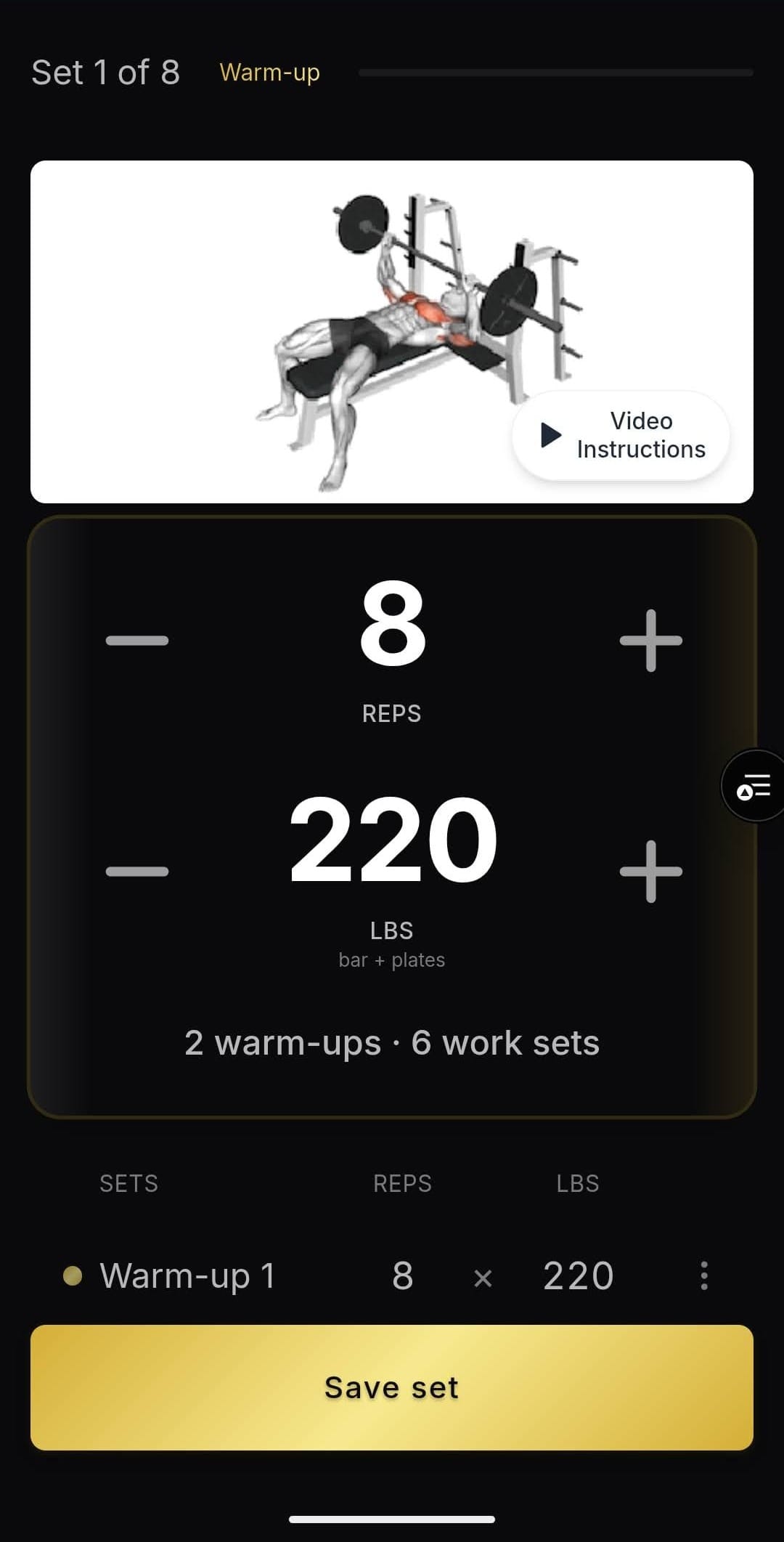
The time from starting a workout to completing the first exercise. In the old application, this took 10.2 seconds. In the new one, less than half the time: 4.1 seconds.
Six seconds may seem trivial. But this is an action performed every training session by every user. Multiply that by thousands of users and years of use, and trivial becomes significant. More importantly, four seconds from start to finish feels responsive. Ten seconds feels slow.
But the more striking number is this:
In my experience, the rebuild would have required our team of 4-6 developers and 1-2 QA engineers approximately one year. I completed it in six months, largely solo. With AI.
Context and Caveat
To be fair, I wasn't building from scratch. The original Dr. Muscle mobile app—years of iteration, user feedback, and refined logic—served as the foundation. The AI didn't have to invent the product; it helped me translate it to a new platform.
Even so. When one developer can do in six months what once took a team a year, it raises questions.
What This Means
Throughout history, new technologies have changed what humans can accomplish alone. The printing press allowed a single author to reach millions. The spreadsheet allowed a single analyst to perform calculations that once required teams of clerks.
AI coding tools may represent a similar shift. A single person, working with the right AI systems, can now produce software that previously required a small team. The capability gap between an individual and an organization has narrowed dramatically.
This is not a prediction about the future. It is a description of what has already happened here at Dr. Muscle.
What This Suggests
This is not a comfortable observation. It raises questions about labor markets, about the distribution of technological capability, about what happens when tools this powerful become widely available. I do not have satisfying answers to those questions.
What I can say is this: the technology works. With proper guidance, current AI systems can build production software at a pace that would have seemed implausible two years ago. The loop between idea and implementation has compressed dramatically. What once required coordination across multiple people and weeks of calendar time now happens in days.
Whether this is cause for optimism or concern probably depends on where you sit in the economic landscape. But the capability itself is no longer theoretical. We have built a complete application with it. Users are already training with it.
The Product Itself
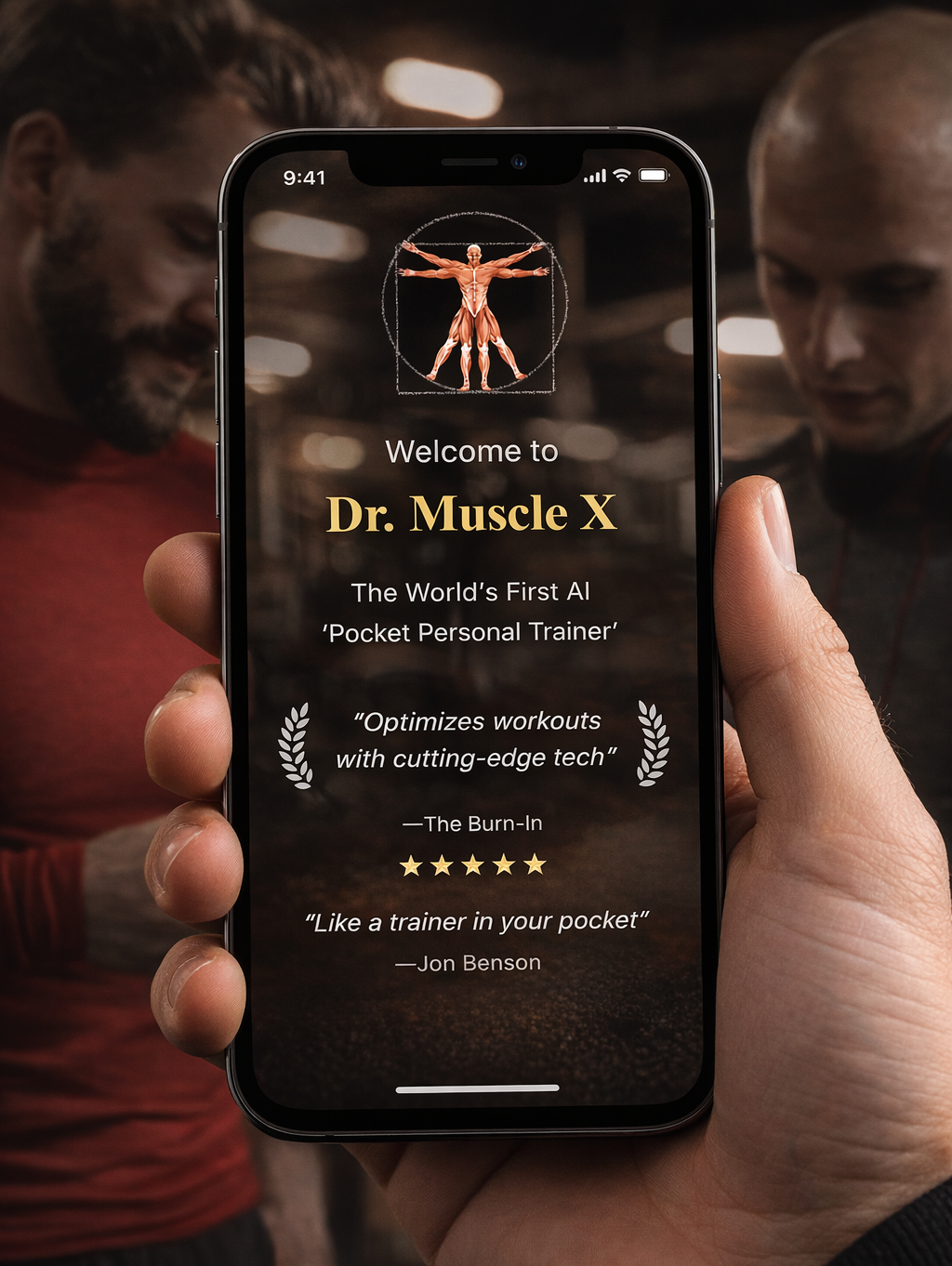
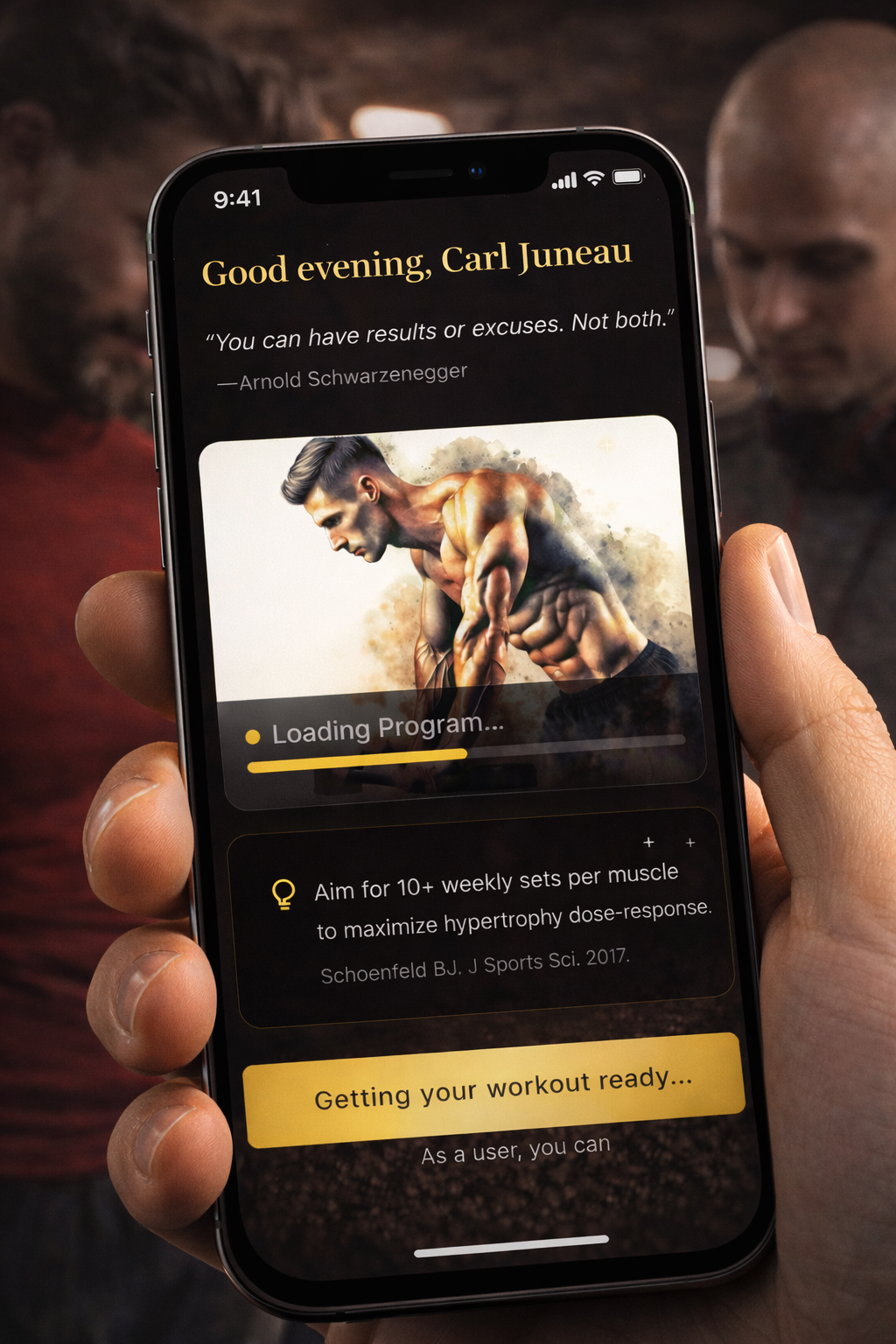
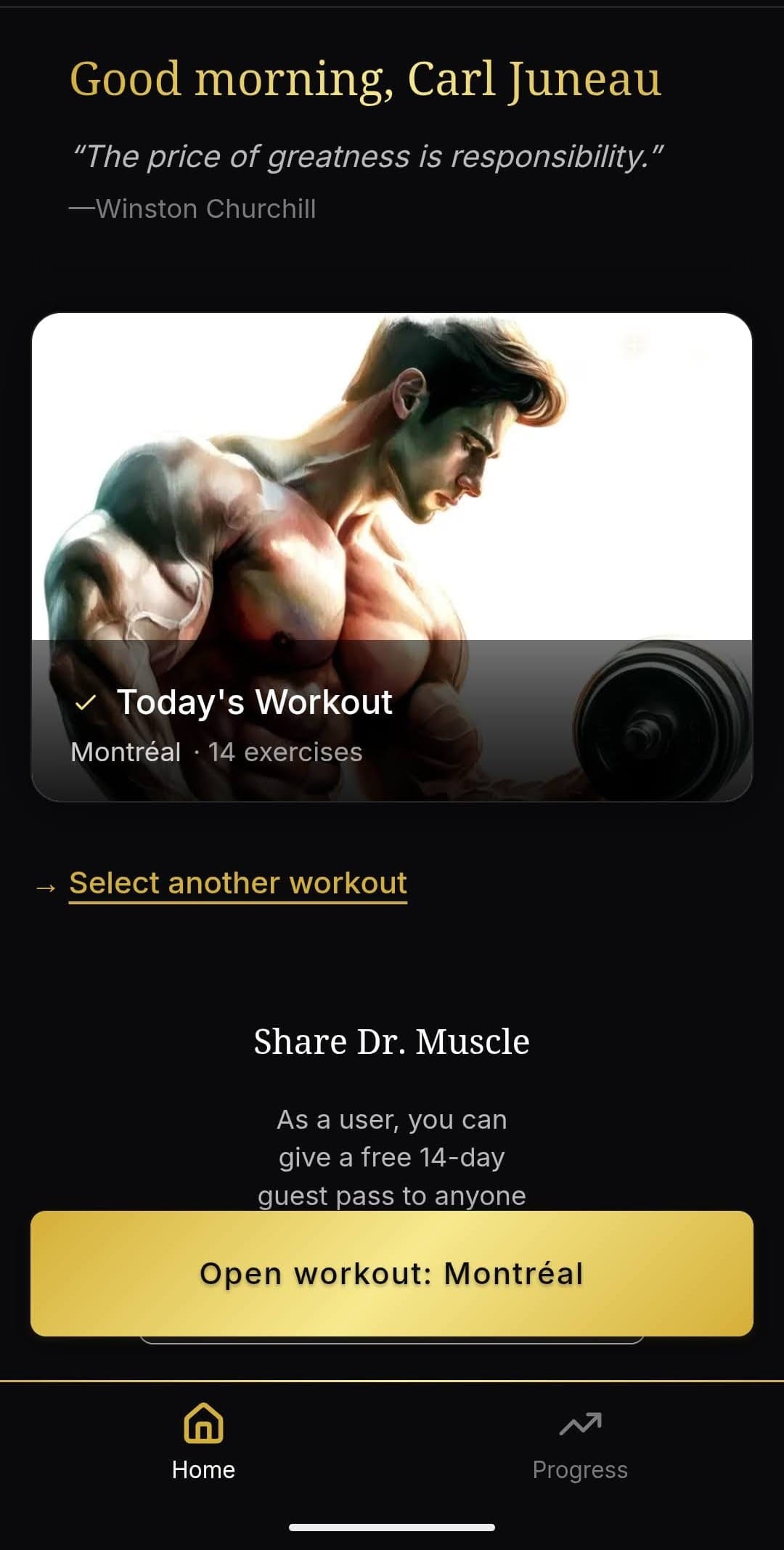
Dr. Muscle X is now available.
If you have been waiting for a version of Dr. Muscle that feels as modern as the science behind it, this is it.
The training methodology remains unchanged—the progressive overload system that has helped thousands get in shape faster, on autopilot.
What has changed is everything around it: the speed, the interface, the reliability. The workouts still work. The app now works with you rather than against you.
Bringing us one step closer to our mission of making the world a fitter place.
A Broader Observation
We are living through a transition that history books will mark, though we cannot yet know how they will describe it. The tools that built this application will continue to improve. What required six months today may require six weeks next year.
The question is not whether AI will transform knowledge work. The question is what we build with it, and who benefits.
Dr. Muscle X is our answer.
Software built for people who want to get in shape faster. Created faster through a process that would have been impossible a year ago.
The future arrived on schedule. We used it to rebuild a fitness app.