Ultimate Chest Workout: Calisthenics Edition
Build chest muscle and strength at any fitness level with these top calisthenics chest workout exercises, progressions, and proven tips—no weights needed.
Key Takeaways
- Calisthenics chest workout focuses on using bodyweight exercises to develop chest muscles.
- Benefits of calisthenics for chest development include improved strength, muscle definition, and functional fitness.
- Basic calisthenics chest exercises include push-ups, dips, and chest dips.
- Advanced calisthenics chest exercises include one-arm push-ups, planche push-ups, and handstand push-ups.
- Incorporate calisthenics chest workout into your routine by scheduling specific days for chest-focused exercises.
- Tips for maximizing chest development with calisthenics include proper form, progressive overload, and adequate rest.
- Common mistakes to avoid in calisthenics chest workout include improper form, neglecting other muscle groups, and overtraining.
- Sample calisthenics chest workout routine may include push-ups, chest dips, and planche push-ups for 3 sets of 10-12 reps each.
Calisthenics, a form of exercise that utilizes body weight for resistance, has gained immense popularity in recent years. This workout style emphasizes functional strength, flexibility, and endurance, making it accessible to individuals of all fitness levels.
Among the various muscle groups that can be targeted through calisthenics, the chest is often a focal point for many fitness enthusiasts.
A well-developed chest not only enhances physical appearance but also plays a crucial role in overall upper body strength and stability.
The beauty of calisthenics lies in its versatility; it can be performed anywhere, from a gym to a park or even at home. This makes it an ideal choice for those who may not have access to traditional weightlifting equipment.
By focusing on bodyweight exercises, individuals can substantially build muscle and improve their chest definition, especially in the beginner to intermediate stages, without the need for heavy weights or machines.
For advanced muscle development, progression to more demanding variations, creative use of leverage, or using added resistance may eventually be necessary for continued gains.
Whether you’re a beginner looking for your first push-up or an experienced athlete seeking to master advanced bodyweight skills, this article will guide you through the essentials of building chest strength and definition using nothing but your own body.
Read on to discover the science-backed benefits of calisthenics for chest development, practical methods for every level, and tips to maximize your progress while avoiding common pitfalls.
Benefits of Calisthenics for Chest Development
One of the primary advantages of calisthenics is its ability to promote functional strength. Unlike traditional weightlifting, which often isolates specific muscles, calisthenics engages multiple muscle groups simultaneously. This compound movement approach enhances muscle coordination as well as strength and stability.
For chest development, exercises like push-ups and dips activate not only the pectoral muscles but also the shoulders, triceps, and—while not primarily—a moderate degree of core engagement, contributing to a more balanced and athletic physique. Furthermore, calisthenics can be easily modified to suit different fitness levels; beginners may start with basic movements such as incline push-ups, while more advanced practitioners may progress to variations like archer push-ups or explosive clapping push-ups.
This adaptability allows individuals to continuously challenge themselves and avoid training plateaus. Additionally, calisthenics promotes joint health by encouraging a full range of motion and, with proper form, may reduce the risk of certain injuries compared to heavy lifting. However, as with any form of resistance training, proper technique and progressive loading are crucial to minimize risk.
Basic Calisthenics Chest Exercises
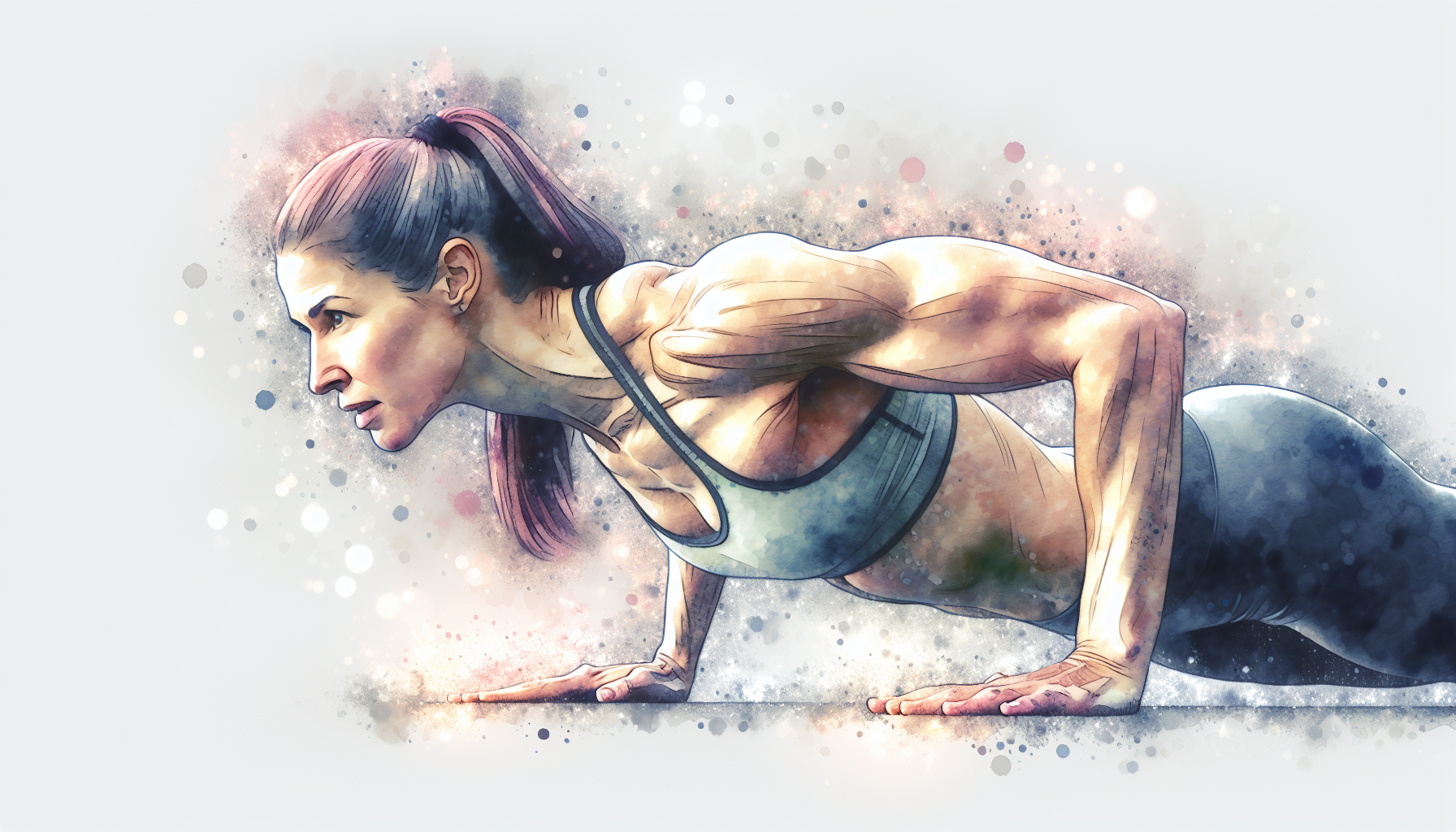
To build a solid foundation in calisthenics chest workouts, it is essential to master basic exercises that effectively target the pectoral muscles. One of the most fundamental movements is the push-up. This exercise can be performed in various forms, including standard push-ups, incline push-ups, and decline push-ups.
Standard push-ups engage the entire chest area along with the triceps and anterior shoulders. Incline push-ups, performed with your hands on an elevated surface, place more emphasis on the upper chest and shoulders. Conversely, decline push-ups—feet elevated above the hands—shift more stress to the lower chest and also increase the demand on the shoulders.
Another highly effective foundational exercise is the dip. Dips performed on parallel bars primarily target the lower chest and triceps while also activating the shoulders. It’s important to note that bench dips (hands on a chair or bench behind the body) place more stress on the anterior shoulder joint and, while still working the triceps, may increase risk for shoulder injury; for chest development and safety, parallel bar dips are generally preferred.
For those who may find dips challenging initially, assisted variations such as using a resistance band for support, or keeping feet on the ground to reduce body weight, can help novices build up the necessary strength.
Advanced Calisthenics Chest Exercises
Once a solid foundation has been established with basic exercises, individuals can progress to more advanced calisthenics movements that further challenge the chest muscles. One such exercise is the archer push-up, which involves shifting body weight from side to side while performing a push-up. This variation greatly increases intensity and helps build unilateral strength and stability.
Another advanced exercise is the planche push-up, an elite-level movement requiring significant upper body strength, balance, and wrist mobility. In a planche push-up, the body is held parallel to the ground while performing the push-up movement, placing tremendous demand on the chest, shoulders, triceps, and core stabilizers. Achieving the planche push-up takes progressive training over years for most people, often involving preparatory steps such as planche leans, tuck planches, and consistent wrist and shoulder conditioning.
Handstand push-ups are another high-level calisthenics skill. While primarily targeting the shoulders, with proper hand placement and form, these also recruit the upper chest and triceps. Proper progressions—such as pike push-ups or wall-supported handstands—can help you safely approach this advanced movement.
Incorporating Calisthenics Chest Workouts into Your Routine
Integrating calisthenics chest workouts into an existing fitness routine can be seamless with proper planning. A well-structured program should include a mix of both basic and advanced exercises, as appropriate for your current level, to ensure balanced development and prevent stagnation. For example, a typical weekly routine might involve dedicating specific days to upper body workouts with a chest focus and incorporating adequate recovery time.
Varying rep ranges, exercise variations, and training intensity throughout the week is beneficial. One session could focus on higher repetitions with basic movements to build muscular endurance, while another might center on lower repetitions of more advanced forms for developing maximal strength. Additionally, pairing chest workouts with complementary muscle groups—such as back or shoulders—can enhance overall upper body strength and promote muscular balance.
Tips for Maximizing Chest Development with Calisthenics
Optimizing chest development with calisthenics involves several key strategies. Above all is maintaining proper form with each exercise; poor technique not only reduces its effectiveness but increases the risk of overuse and acute injuries. Attention to detail—such as full range of motion, controlled movement, and joint alignment—will provide better results over time.
Progressive overload is essential for continued improvement. In calisthenics, progressive overload can be achieved not just by increasing repetitions and sets, but also by progressing to harder versions of exercises, reducing leverage, slowing the tempo (especially the eccentric/lowering phase), or adding external resistance such as weighted vests or backpacks. For example, once regular push-ups become less demanding, one could progress to decline, archer, explosive, or even one-arm push-ups for greater intensity.
Adequate rest and recovery are just as important as training; muscles need time to repair and grow stronger. Scheduling rest days, ensuring good sleep, and including light recovery work will improve performance and long-term health.
Common Mistakes to Avoid in Calisthenics Chest Workouts
While calisthenics provides many benefits for chest development, there are common pitfalls to avoid:
One frequent mistake is neglecting to warm up before intense training. A proper warm-up—such as dynamic stretches, light cardio, and muscle activation drills—prepares the body for work, reducing injury risk and improving performance.
Another frequent error is using improper form or range of motion. Using partial reps, bouncing out of the bottom, or letting the hips sag during push-ups or dips diminishes returns and increases injury risk as well.
Neglecting other muscle groups is another common error. A balanced workout routine should address the back, shoulders, core, and legs—not just the chest—to create overall functional strength and joint stability, and to maintain postural health.
Overtraining is a further consideration. Pushing through pain or fatigue without proper rest may lead to overuse injuries that can take you out of training for extended periods. Learning to distinguish normal fatigue from warning pain and taking rest days when needed will help keep your progress steady and sustainable.
Sample Calisthenics Chest Workout Routine
A well-rounded calisthenics chest workout routine might include a combination of basic and advanced exercises tailored to your fitness level. For beginners, a sample session could be:
- 3 sets of 10–15 repetitions incline push-ups (hands elevated on a bench or sturdy box)
- 3 sets of 8–10 repetitions assisted parallel bar dips (with resistance band or feet supported)
This foundational approach helps learners master proper form and gradually build pressing strength.
For intermediate to advanced trainees, a sample routine could be:
- 3 sets of 8–12 repetitions standard push-ups
- 3 sets of 6–8 repetitions archer push-ups
- 3 sets of 5–8 repetitions explosive push-ups (such as clapping or plyometric push-ups)
- Optional: planche lean holds or planche push-up progressions for advanced athletes
This structure ensures both intensity and variety, allowing for progression and adaptation as you become stronger.
Don't forget to include warm-ups at the start and cooldown stretches at the end of your session to minimize injury risk and aid recovery.
The Last Rep: What Sets Calisthenics Chest Training Apart
Calisthenics chest workouts offer more than just the convenience of training anytime, anywhere.
They emphasize progressive body control and real-world strength, traits that often go overlooked in traditional gym routines.
Many people believe you need a bench press and a rack of dumbbells to develop an impressive chest, but bodyweight training proves that dedication and intelligent progression can deliver genuine results—sometimes in ways that surprise even seasoned athletes.
One frustration shared by many is the slow pace of progress or feeling stuck doing endless push-ups without much to show.
The truth is, unlocking new strength and definition with calisthenics often comes down to nuanced adjustments—progressing your leverage, trying new variations, and sticking with it through plateaus.
Consistency wins, but the journey feels more like learning a new skill than just lifting heavier every week: your body becomes both the weight and the measuring tool.
A “hidden” benefit of this approach? Calisthenics fosters not just muscular development, but also the mind-muscle awareness to control and understand your body’s movements.
Over time, the pursuit for a stronger chest teaches balance, joint stability, and movement quality—skills that pay off both in the gym and in everyday life.
If you’re ready to structure your routines, manage your training load, and break through sticking points efficiently, consider using the Dr. Muscle app. It automates all the planning, progression, and tracking for your workouts—including calisthenics chest training and much more—so you can focus on getting stronger every week. Try it free.
FAQ
What is calisthenics?
Calisthenics is a form of exercise that uses body weight for resistance and minimal equipment. It includes movements such as push-ups, pull-ups, squats, and lunges.
What are the benefits of calisthenics for chest workouts?
Calisthenics chest workouts can help improve strength, endurance, and muscle definition in the chest. They also engage the triceps, shoulders, and, to a moderate degree, the core and other muscle groups.
What are some effective calisthenics chest exercises?
Some effective calisthenics chest exercises include push-ups (and their many variations), dips—especially on parallel bars—and chest-focused plank variations.
Can calisthenics chest workouts be tailored for different fitness levels?
Yes. These workouts can be modified for different experience levels by adjusting leverage, using support, or progressing to advanced variations as strength increases.
Is it possible to build a strong and defined chest with calisthenics alone?
Yes, it is possible for most individuals to build strength and achieve a well-defined chest using only calisthenics, especially with dedication and progressive overload. For ongoing hypertrophy at advanced levels, harder movements or additional resistance may be required for continued progress.