Ultimate Home Abs and Calves Workout: No Equipment Needed
Discover effective home workouts for abs and calves that boost core strength and stability, enabling you to achieve fitness goals without the need for a gym.
Key Takeaways
- Home workouts offer flexibility in scheduling and personalization, leading to improved consistency in training.
- A well-structured warm-up with dynamic stretches and light cardio is crucial for enhancing performance and reducing injury risk.
- Effective abdominal workouts can be achieved through bodyweight exercises such as planks, bicycle crunches, and reverse crunches.
- Calves can be trained effectively without equipment using exercises like single-leg calf raises and seated calf raises.
- Proper cool-down routines that include stretches aid in muscle recovery and improve flexibility after workouts.
- A structured workout schedule with variety and progressive overload is essential for continued improvement and effectiveness.
- Adequate nutrition and hydration play a vital role in supporting muscle recovery and optimizing workout performance.
In the realm of fitness, the pursuit of a well-defined core and strong calves often takes center stage. While many individuals frequent gyms for their workouts, the truth is that effective training can be accomplished right in the comfort of one’s home.
Home workouts not only provide convenience but also allow for flexibility in scheduling, making it easier to integrate fitness into daily life.
The focus on abs and calves is particularly significant, as these muscle groups play crucial roles in overall body strength, stability, and aesthetics.
The abdominal muscles are essential for maintaining good posture, supporting the spine, and facilitating movement in various activities.
Strong calves, on the other hand, contribute to lower body strength, enhance athletic performance, and improve balance.
By dedicating time to train these areas at home, individuals can achieve impressive results without the need for expensive gym memberships or specialized equipment.
This article will delve into the benefits of training abs and calves at home, provide effective workout routines, and offer tips for maximizing results.
Benefits of Training Abs and Calves at Home
Training abs and calves at home comes with a myriad of advantages that extend beyond mere convenience. One of the most significant benefits is the ability to tailor workouts to individual preferences and schedules. Without the constraints of gym hours or crowded spaces, individuals can choose when and how long they want to work out. This flexibility often leads to increased consistency, which is key to achieving fitness goals.
Moreover, home workouts can be designed to fit personal fitness levels, allowing beginners to start at a comfortable pace while more advanced individuals can challenge themselves with higher intensity routines. Another notable benefit is the cost-effectiveness of home workouts.
Gym memberships can be a financial burden, especially when considering additional costs such as travel and equipment rental. By utilizing bodyweight exercises and minimal equipment—such as resistance bands or dumbbells—individuals can create a comprehensive workout regimen targeting abs and calves without breaking the bank. Furthermore, training at home eliminates the intimidation factor some may feel in a gym environment, fostering a more comfortable atmosphere for exercise.
This psychological advantage can lead to greater motivation and adherence to a fitness routine.
Warm-Up Exercises for Abs and Calves
Before diving into an intense workout session, it is crucial to prepare the body through a proper warm-up. A well-structured warm-up increases blood flow to the muscles, enhances flexibility, and reduces the risk of injury. For abs and calves, a combination of dynamic stretches and light cardio can effectively prime these muscle groups for the upcoming workout.
One effective warm-up exercise for the core is the torso twist. Standing with feet shoulder-width apart, individuals can rotate their upper body from side to side while keeping their hips stable. This movement engages the obliques and prepares the abdominal muscles for more strenuous activity.
Another excellent warm-up for the calves is the calf raise. Standing on a flat surface, individuals can lift their heels off the ground while balancing on their toes, then lower back down. This exercise activates the calf muscles and enhances ankle mobility.
Incorporating movements like jumping jacks or high knees can further elevate heart rate and increase overall body temperature. These exercises not only engage multiple muscle groups but also prepare the cardiovascular system for more intense activity. A thorough warm-up routine lasting about 5 to 10 minutes sets the stage for an effective workout by ensuring that both abs and calves are adequately prepared for the challenges ahead.
Abs Workout Routine with No Equipment
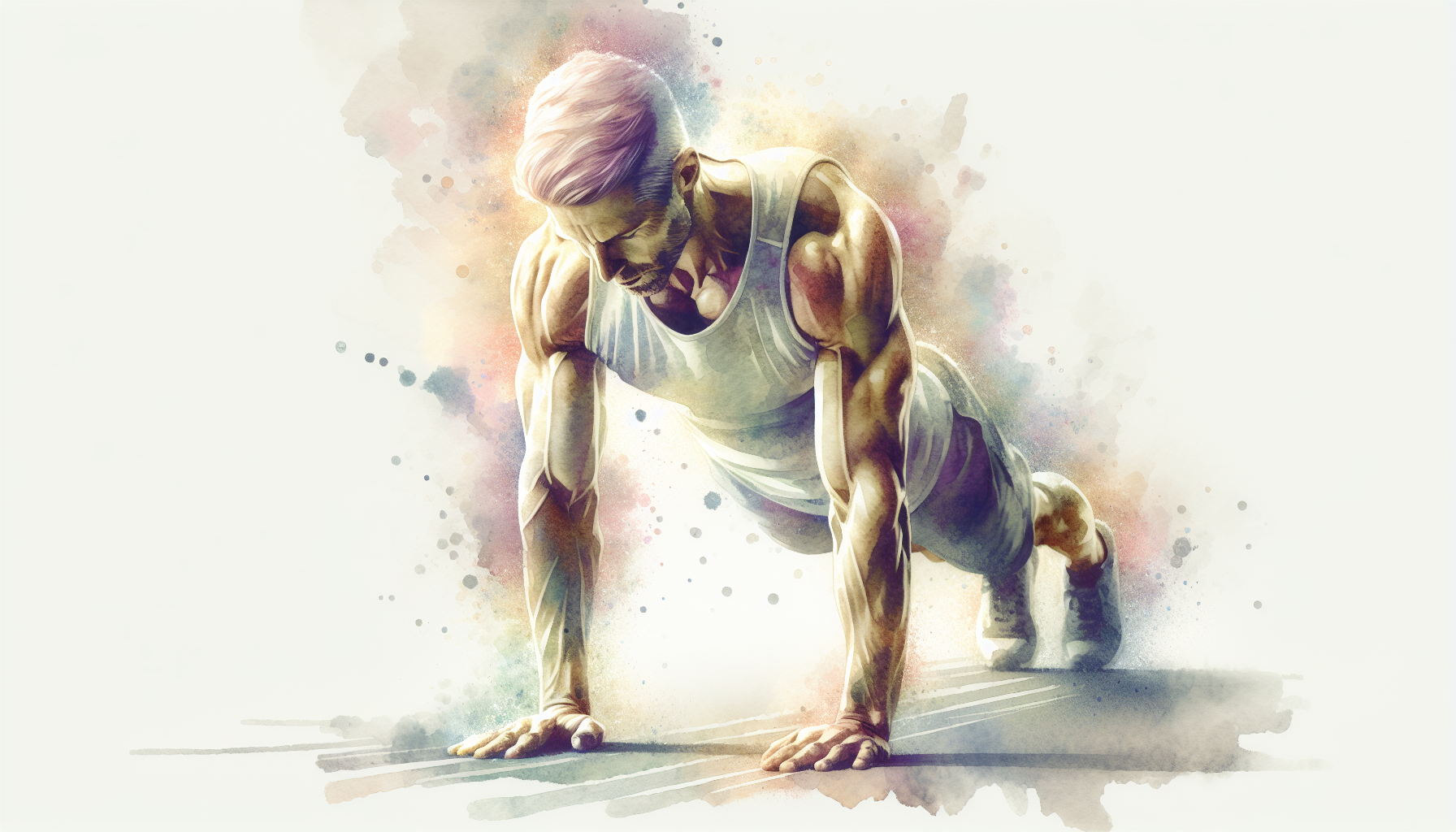
An effective abs workout can be achieved without any equipment by utilizing bodyweight exercises targeting various areas of the core. One popular exercise is the plank, which engages not only the abdominal muscles but also the shoulders and back. To perform a plank, individuals should position themselves face down on the floor, resting on their forearms and toes while keeping their body in a straight line from head to heels.
Holding this position for 30 seconds to a minute builds endurance in the core. Another excellent bodyweight exercise is the bicycle crunch. Lying on one’s back with hands behind the head and legs lifted at a 90-degree angle, individuals can alternate bringing their elbows toward opposite knees while extending the other leg out. This movement effectively targets both the rectus abdominis and obliques, promoting a well-rounded core workout.
For added variety, reverse crunches can be incorporated by lying on one’s back with legs raised and knees bent, then curling the hips off the ground towards the chest. To create a comprehensive abs workout routine, individuals can combine these exercises into a circuit format. For instance, performing each exercise for 30 seconds followed by a 15-second rest before moving on to the next one can create an efficient workout that challenges the core effectively. Repeating this circuit two to three times allows for sufficient volume while keeping the workout engaging.
Calves Workout Routine with No Equipment
Training calves at home without equipment is entirely feasible through a variety of bodyweight exercises that focus on this often-overlooked muscle group. One of the most straightforward yet effective exercises is the single-leg calf raise. Standing on one leg while holding onto a wall or chair for balance, individuals can lift their heel off the ground as high as possible before lowering it back down.
This exercise targets the gastrocnemius while also engaging stabilizing muscles in the ankle. Another beneficial exercise is the seated calf raise, which can be performed on any sturdy surface such as a chair or bench. Sitting with feet flat on the ground, individuals can lift their heels while keeping their toes planted, then lower back down. This movement emphasizes the soleus muscle, crucial for overall calf development.
To add intensity, individuals can perform these exercises on an elevated surface like stairs or a step platform to increase range of motion. To structure an effective calves workout routine at home, individuals can perform each exercise in sets of 15 to 20 repetitions with minimal rest in between. Incorporating variations such as toe pointing or inward/outward foot positioning during calf raises can further enhance muscle engagement and prevent monotony in training sessions. By focusing on both strength and endurance through these exercises, individuals can develop well-defined calves without needing any specialized equipment.
Cool-Down and Stretching for Abs and Calves
After an intense workout session targeting abs and calves, cooling down properly is essential to aid recovery and prevent muscle soreness. A cool-down routine typically involves gradually lowering heart rate through light activity followed by stretching exercises that promote flexibility and relaxation in the targeted muscle groups. One effective cool-down exercise for the core is lying supine with knees bent and gently rocking side to side.
This movement helps release tension in the lower back while providing a gentle stretch to the abdominal muscles. Additionally, performing a child’s pose—kneeling on the floor with arms extended forward—can further stretch out both the back and core muscles while promoting relaxation. For calves, standing calf stretches are highly beneficial. Individuals can place one foot behind them with the heel pressed into the ground while leaning forward slightly into a wall or sturdy surface. This position stretches out both the gastrocnemius and soleus muscles effectively.
Another great stretch involves sitting on the floor with legs extended straight out in front and reaching toward the toes; this not only stretches the calves but also engages hamstrings and lower back muscles. Incorporating these cool-down stretches into a post-workout routine helps maintain flexibility while promoting recovery after intense training sessions focused on abs and calves.
Tips for Maximizing Results from Home Workouts
To truly maximize results from home workouts targeting abs and calves, several strategies can enhance effectiveness and promote consistency. One key tip is to establish a structured workout schedule incorporating variety in exercises while allowing adequate recovery time between sessions. By planning workouts ahead of time—whether through a weekly calendar or fitness app—individuals are more likely to stay committed to their routines.
Another important aspect is maintaining proper form during exercises to prevent injury and ensure optimal muscle engagement. Utilizing mirrors or recording oneself during workouts can provide valuable feedback on technique, allowing individuals to make necessary adjustments as needed. Additionally, focusing on controlled movements rather than rushing through repetitions enhances muscle activation and promotes better results over time.
Incorporating progressive overload into home workouts is also crucial for continued improvement. This concept involves gradually increasing intensity by adding more repetitions, reducing rest time between sets, or incorporating variations that challenge muscles differently. For instance, transitioning from standard planks to side planks or adding leg lifts during crunches can provide new stimuli for muscle growth.
Lastly, nutrition plays an integral role in achieving fitness goals. Ensuring adequate protein intake supports muscle recovery while maintaining balanced nutrition fuels workouts effectively. Staying hydrated before, during, and after workouts also contributes significantly to performance levels.
A Journey to Strength and Stability
Training abs and calves at home can transform not just your physique but also your relationship with fitness.
Many may believe that effective workouts require access to fancy equipment or crowded gyms, yet the truth is that some of the most powerful exercises require nothing but your body and a little determination.
As you build these foundational muscles, you're investing in greater stability, balance, and overall strength that transcends your workouts, benefiting your daily activities and enhancing your athletic performance.
Consider the journey of self-improvement as akin to sculpting a masterpiece from a block of marble.
With each repetition, you chip away at the obstacles—self-doubt, discomfort, and the familiar routine of excuses. Just as a sculptor reveals beauty within stone, you reveal strength and endurance within yourself.
The process requires patience and consistency; results won’t appear overnight, but the progress will be undeniably rewarding.
One common misconception is that you need a gym to achieve significant results.
In reality, the flexibility and comfort of home workouts can lead to greater consistency and adherence, allowing you to truly focus on your goals without the distractions of a bustling gym. Furthermore, embracing bodyweight exercises not only saves money but also encourages personal accountability and awareness in your fitness journey.
As you continue to explore the benefits of home workouts for your abs and calves, remember that there are tools to support your growth.
For automating your fitness journey and maximizing the routines discussed, consider exploring the Dr. Muscle app. It simplifies your workout planning and helps you stay on track without the hassle. Try it free and discover how easy it can be to achieve your fitness goals from home.
FAQ
What is the Ultimate Home Abs and Calves Workout?
The Ultimate Home Abs and Calves Workout is a routine designed to target and strengthen the abdominal muscles and calf muscles using only bodyweight exercises. It offers a convenient and effective way to work on these specific muscle groups without the need for any equipment.
What are the benefits of the Ultimate Home Abs and Calves Workout?
The Ultimate Home Abs and Calves Workout helps improve core strength, stability, and endurance while also targeting the calf muscles for better balance and lower body strength. It can be done at home without any special equipment, making it a convenient option for those looking to enhance their fitness.
How often should the Ultimate Home Abs and Calves Workout be done?
The frequency of the Ultimate Home Abs and Calves Workout can vary depending on individual fitness levels and goals. It is generally recommended to perform this routine 2-3 times per week, allowing for rest days in between to enable muscle recovery and growth.
Are there any modifications for beginners or advanced individuals?
Yes, the Ultimate Home Abs and Calves Workout can be modified to suit different fitness levels. Beginners can start with fewer repetitions and simpler variations of the exercises, while advanced individuals can increase the intensity by adding more sets, reps, or incorporating additional challenges such as holding weights or using resistance bands.
Is it necessary to warm up before doing the Ultimate Home Abs and Calves Workout?
Yes, it is important to warm up before starting the Ultimate Home Abs and Calves Workout to prepare the muscles for the exercises and reduce the risk of injury. A proper warm-up can include light cardio, dynamic stretching, and mobility exercises to increase blood flow and flexibility.